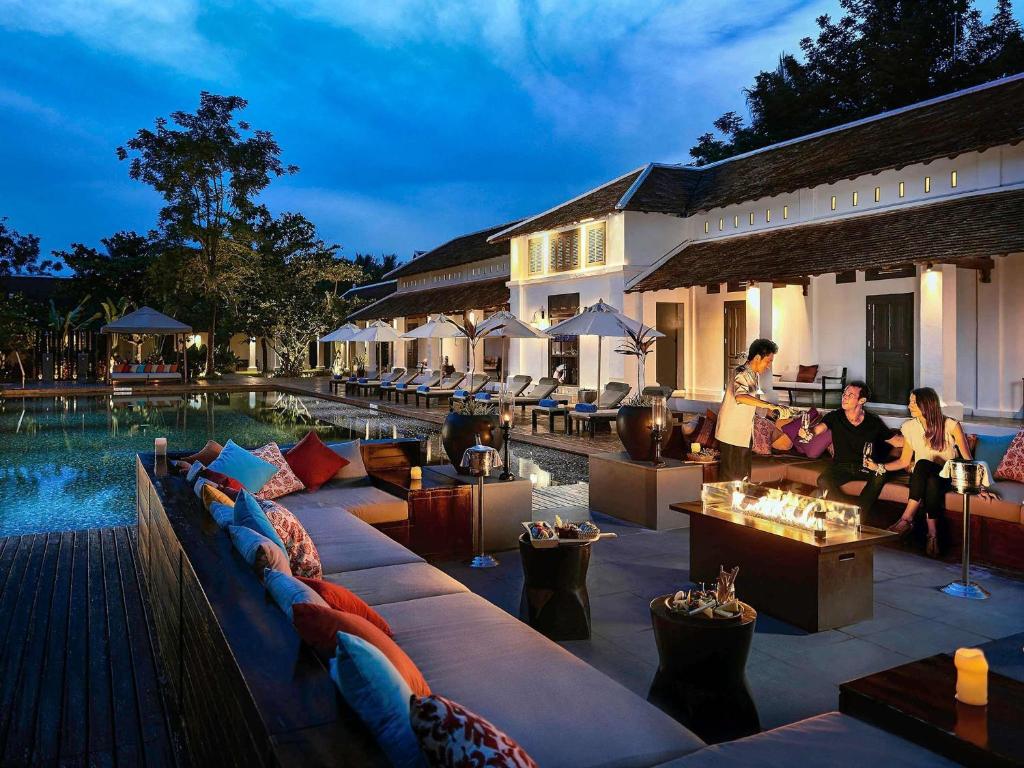
Luang Prabang doesn't try to impress you. It just is.
Wedged between two rivers and surrounded by green mountains, this is the spiritual heart of Laos — a town of 33 active temples, French colonial villas with peeling shutters, and a UNESCO designation that has held the modern world at arm's length since 1995. The result is something rare in Southeast Asia: a place that still feels like itself.
What's changed: The Laos-China Railway opened in 2021 and quietly transformed everything. The two-hour train from Vientiane is now LP's busiest gateway — busier than the airport. The number of hotels in the province has more than tripled since. Chinese travelers have overtaken Thai visitors as the largest international group. Boutique cafés and small wine bars have multiplied around the old town.
What hasn't: The Tak Bat still happens at 5:30 every morning. The temples still close their gates at dusk. Local authorities have set a 2029 target for "quality modern sustainable tourism" — meaning they're explicitly choosing curated growth over mass-market chains.
Most travelers come for two or three days and leave wishing they'd booked a week. There's no rush here. Mornings begin with alms ceremonies, afternoons disappear into temple courtyards, and evenings end on the Mekong with a glass of something cold and the sun bleeding orange behind the mountains.