Discover
Laos
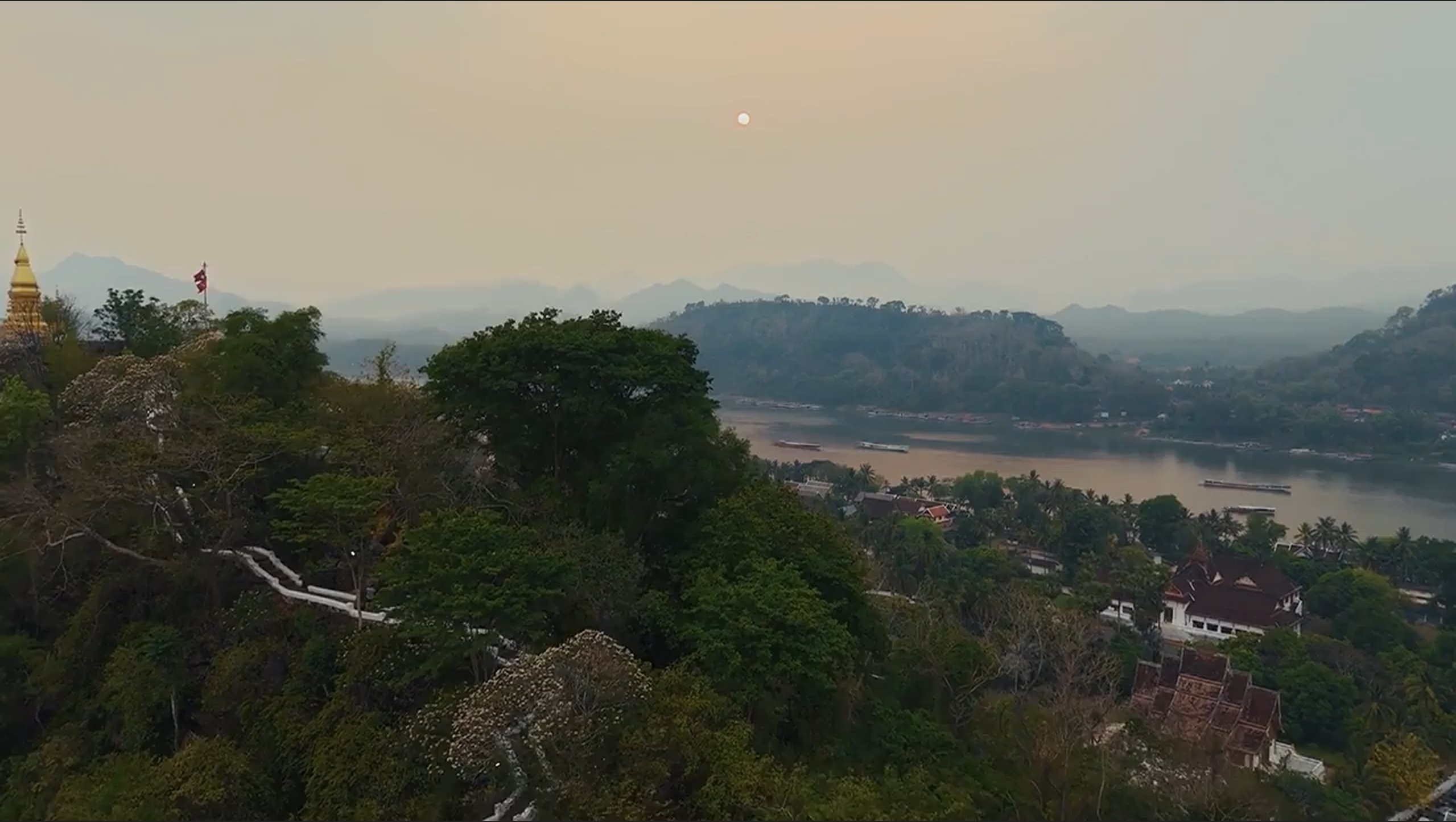
Temples wrapped in jungle mist. Rivers that move slow. A country that still feels like a secret worth keeping.
Temples wrapped in jungle mist. Rivers that move slow. A country that still feels like a secret worth keeping.
Laos isn't loud. It doesn't compete with Thailand's beaches or Vietnam's coffee scene. What it has is time — and the quiet confidence of a place that's never needed to prove itself.
The Mekong runs the length of it, slow and brown and ancient. Saffron-robed monks walk the streets of Luang Prabang at dawn. Jungle swallows crumbling French villas. Limestone karsts rise straight out of rice paddies. And at the end of every day, everyone stops — for beer, for food, for the last light on the water.
Thirty days on a visa. A coffee for a dollar. A guesthouse on the Mekong for less than dinner back home.
Most travelers pass through Laos on the way to somewhere else. The ones who stay never quite leave.

Three of Laos's most significant — for timing your trip
At 5:30 in the morning, the streets of Luang Prabang go quiet. Saffron-robed monks file out of every temple in long, silent lines, and locals kneel on the pavement to offer them rice. This ritual is called Tak Bat, and it's been happening here, unchanged, for more than six hundred years.
Once the royal capital of Laos, now a UNESCO World Heritage city, Luang Prabang is where French colonial villas meet gilded Buddhist temples on every corner. It's small enough to walk in an afternoon, old enough to feel preserved, and quiet enough — even now — that you can hear the Mekong moving.
Come for a weekend. End up staying a week. Go to Kuang Si Falls on day three.

Between Vientiane and Luang Prabang, the limestone karsts rise straight up from the rice paddies, and someone in the 1990s decided this was the perfect place for a river town. They were right.
Vang Vieng used to have a reputation. It's shed it. What's left is a small town on the Nam Song River where hot air balloons drift at 6am and 5pm, kayakers weave between karst formations, and the Blue Lagoons fill up with travelers who came for one night and stayed for four.
Take the morning balloon. Kayak in the afternoon. Watch the sunset balloons from the riverside. Repeat.


Most capitals in Southeast Asia overwhelm you. Vientiane doesn't. It's probably the only capital in the region where the morning rush hour is less than twenty minutes, the tallest building is a Buddhist stupa, and the traffic politely stops for a family of ducks.
The French left their mark — baguettes, wide boulevards, coffee shops that take themselves seriously. The Lao made it their own. Come for Pha That Luang at sunset. Stay for the riverside beer gardens that stretch along the Mekong, where Thailand is just across the water and nobody's in a hurry.
A full day here is enough. A week will change the pace you live at.
Explore Vientiane →
Three hours north of Luang Prabang, the road ends at a bamboo bridge over the Nam Ou river, and the real Laos begins.
Nong Khiaw is what Vang Vieng was before anyone knew about Vang Vieng. Limestone cliffs plunge straight into a jade-green river. Boats go upstream to villages that don't have roads. Treks take you to viewpoints where the clouds sit below you. There are maybe five restaurants in town, and all of them are good.
Most travelers skip it. The ones who don't tell the others it's the best place they went in Laos.
At the very bottom of Laos, where the Mekong widens to 14 kilometers across, the river splits into thousands of islands. The Lao call this place Si Phan Don. Nobody knows the exact number. Nobody really cares.
Don Det is the island where time forgets to move. No cars. No rush. Just the Mekong lapping at the shore, hammocks strung between palm trees, and sunsets that turn the river to liquid gold. This is where the rare Irrawaddy dolphins swim at dawn, where a bicycle is all the transport you need, and where every meal costs less than a coffee back home.
Most travelers pass through. The smart ones stay for a week.

Or more than one. Most travelers need three weeks in Laos. Most plan for one.
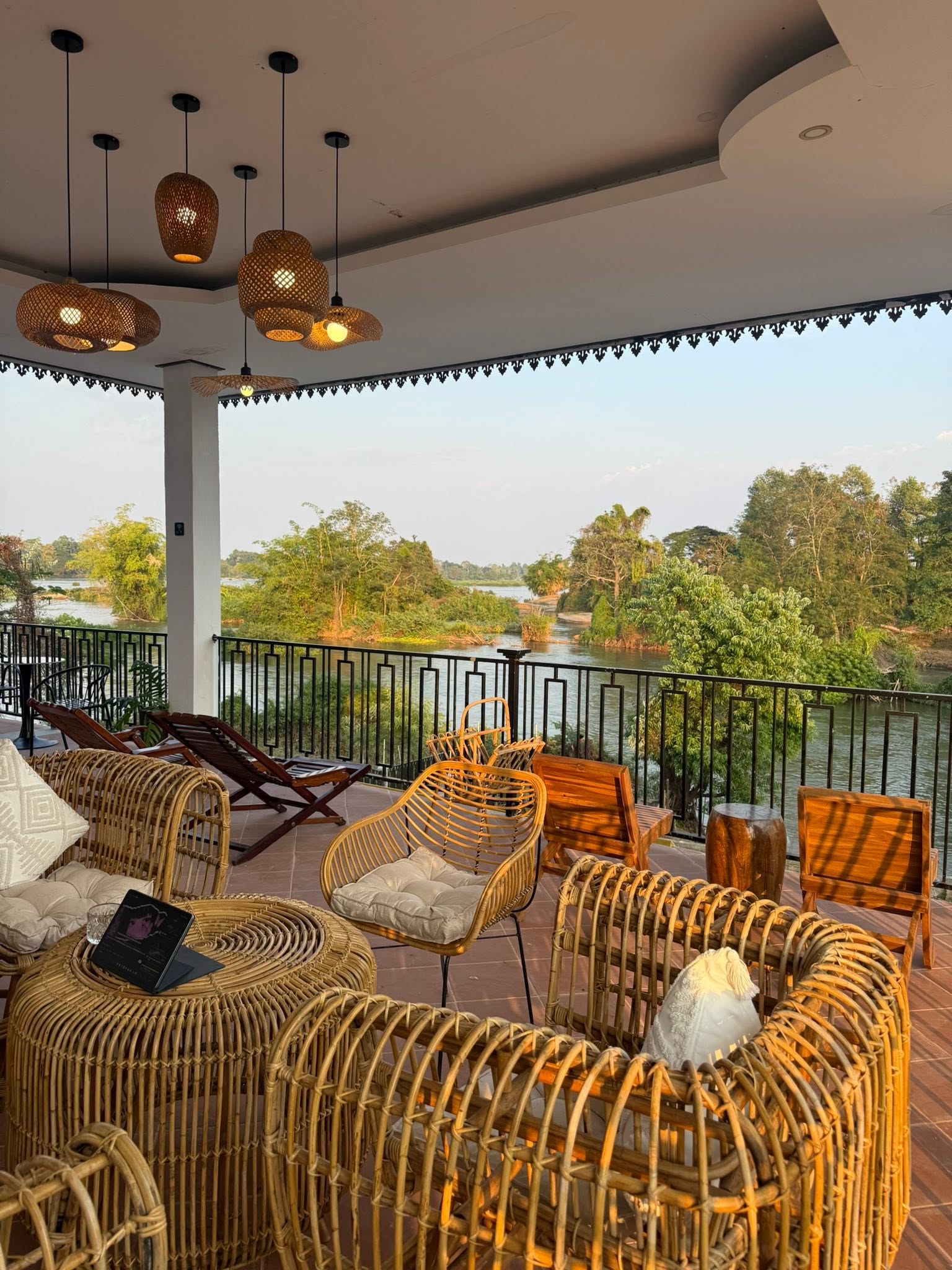
One handpicked place on Don Det, run by a local family. We know the hosts.

Hotels and guesthouses we've carefully chosen for travelers — from Sunin Hotel on Don Det to French colonial heritage in Vientiane. Browse our full list for the right fit.
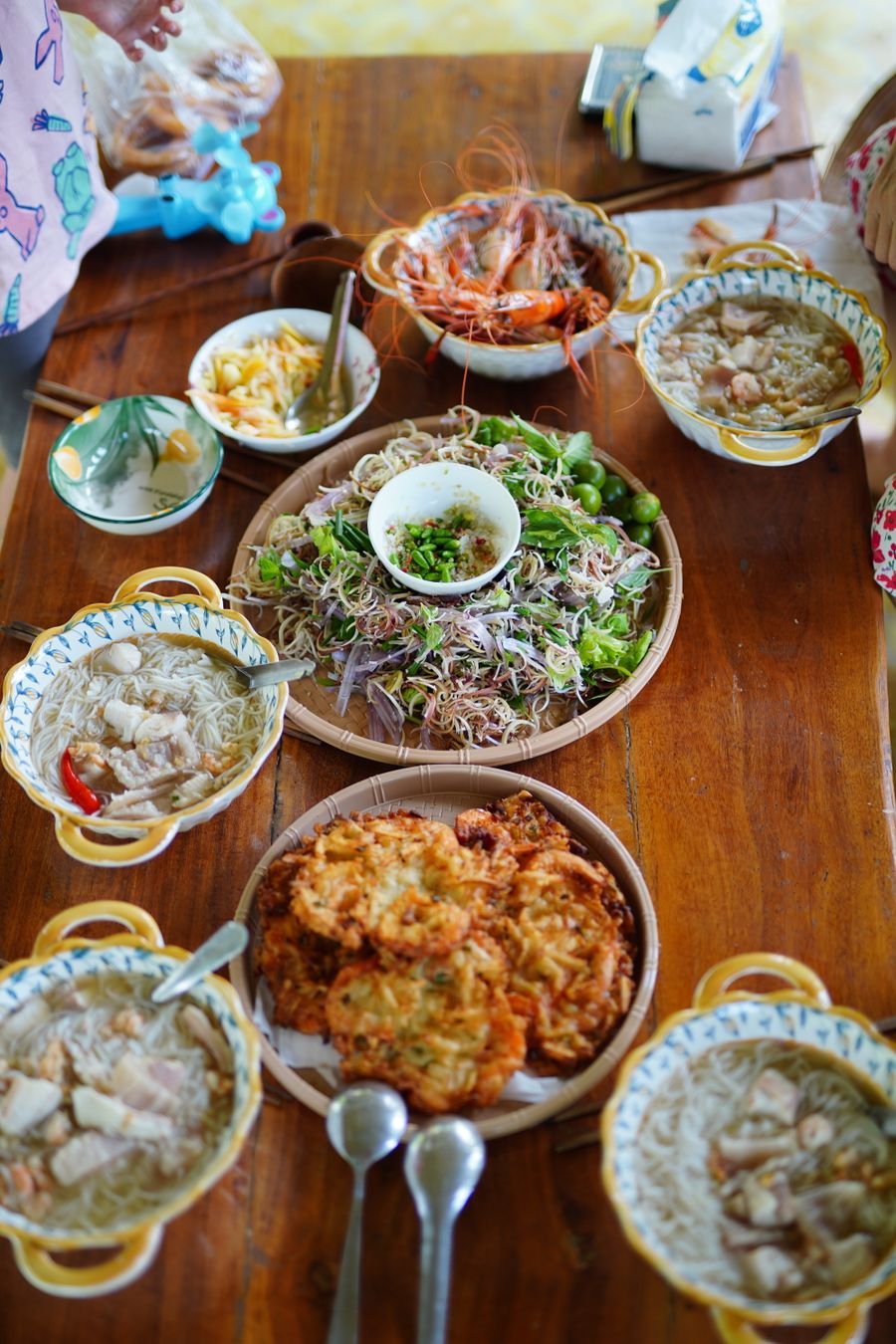
Lao cuisine is Southeast Asia's best-kept culinary secret. Herb-forward, punchy, deeply tied to the land — from $1 street stalls to candlelit riverside dining in Luang Prabang.
From the water-splashing chaos of Bun Pi Mai to candlelit boats on the Mekong — Laos celebrates with extraordinary intensity.
Full calendar →Visas, currency, the best time to visit, how to get around — the LaoWander travel guide covers it all.
Monthly travel inspiration, seasonal guides, and hidden discoveries — straight to your inbox.
No spam, ever. Unsubscribe in one click.


